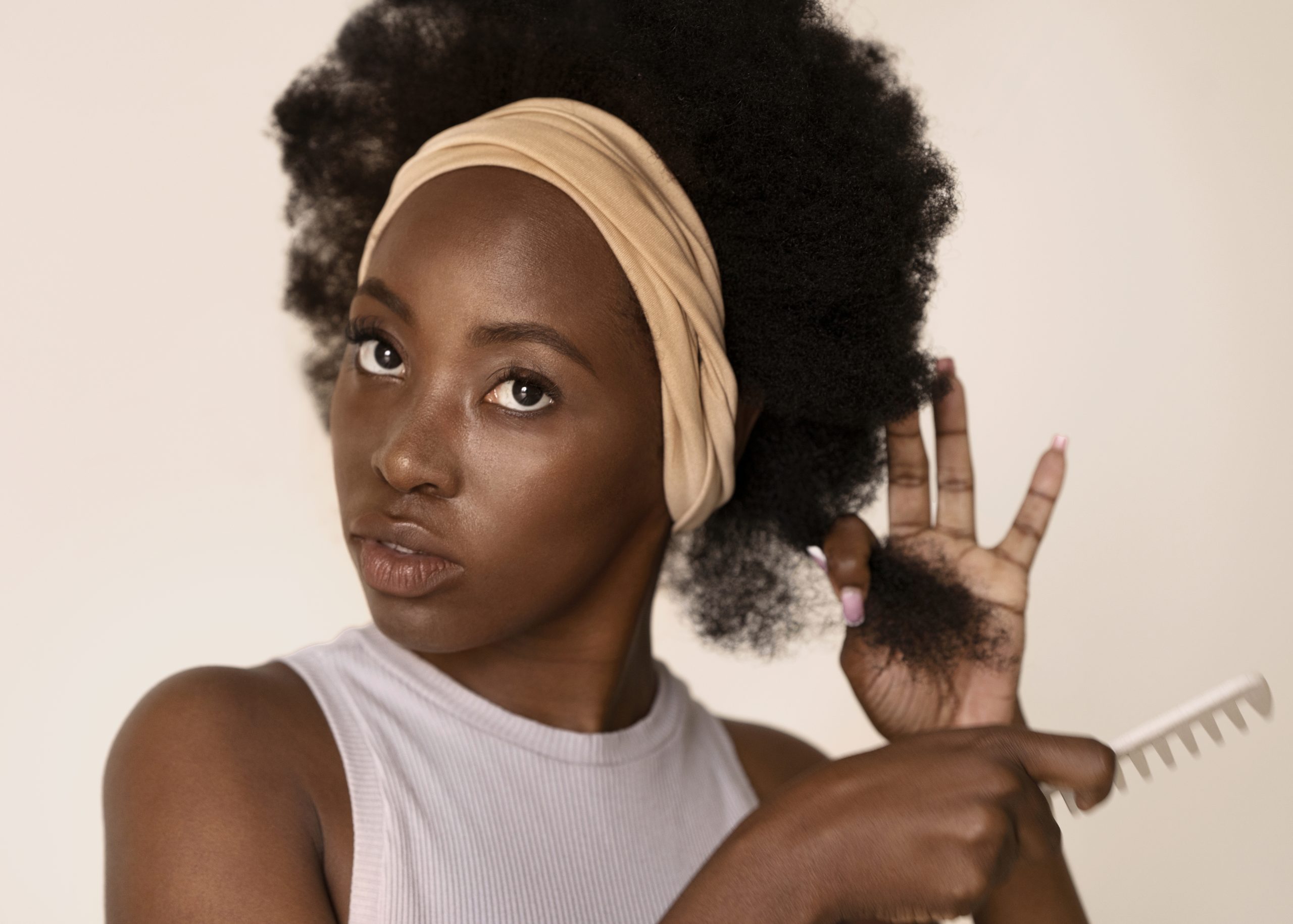
Understanding and Managing Split Ends in Natural Hair
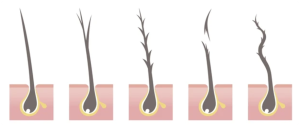
For a long time, I was part of the small population of Black people who didn’t believe that our hair could get split ends. Because our hair has tight coils, it can be difficult to identify what split ends actually look like, as our hair does not tend to have fly-aways. Let’s explore this topic, mholweni!
Can Split Ends Be Fixed?
Split ends are a common hair concern, and many of us wonder if there’s a way to fix them. Let’s address this question and uncover the truth about split ends.
Unfortunately, once your hair develops split ends, it cannot be magically repaired or fixed. Split ends occur when the protective outer layer of the hair, known as the cuticle, becomes damaged or worn away. This damage causes the hair strand to split into two or more separate strands.
Identifying Split Ends in Tightly Curled Hair
Identifying split ends in tightly curled hair can be tricky, but it’s not impossible. Here are some signs to look out for:
- Dryness and Rough Texture: Run your fingers along a strand of hair. If the ends feel particularly dry and rough compared to the rest of your hair, you might have split ends.
- Snapping and Breakage: If your hair tends to snap and break easily when combing or styling, it could be due to split ends.
- Thinner Ends: Examine your hair closely. If the ends appear thinner or more fragile than the rest of your hair, they may be splitting.
- Increased Tangles: Split ends can cause your hair to tangle more easily, making it harder to manage.
Managing and Minimising Split Ends
While split ends cannot be reversed, there are ways to manage and minimise them:
- Regular Trims: Trim your hair every 10-14 weeks to prevent split ends from traveling further up the hair shaft. This reduces the likelihood of breakage and maintains the overall health of your hair.
- Protective Styling: Minimise exposure to external factors that can cause damage, such as excessive heat, friction from styling tools, and harsh chemicals. Embrace protective hairstyles that keep your ends tucked away and shielded from potential harm.
- Hydration and Nourishment: Keep your hair well-moisturized and nourished to minimise the occurrence of split ends. Deep condition regularly, use leave-in conditioners, and incorporate natural oils to help protect your strands.
- Gentle Handling: Avoid rough handling of your hair, such as excessive pulling, tugging, or brushing when wet. Use wide-toothed combs or your fingers to detangle gently, starting from the ends and working your way up.
Specifications for Trimming Your Own Ends
If you decide to trim your own ends, here are some tips to ensure you do it correctly:
- Sharp Scissors: Always use sharp hair-cutting scissors. Dull scissors can cause more split ends by fraying the hair instead of cutting it cleanly.
- Section Your Hair: Work in small sections to ensure you don’t miss any areas. This also makes it easier to see and trim split ends.
- Stretch Your Hair: For tightly coiled hair, stretch your hair by twisting or braiding it before trimming. This helps to see the ends more clearly and cut evenly.
- Trim a Small Amount: Only trim a small amount at a time, about 1/4 inch to 1/2 inch. This ensures you don’t accidentally cut off too much length.
- Look for Split Ends and Knots: Pay close attention to the ends of your hair. Look for splits, knots, and any areas that appear damaged or frayed, and focus on trimming these parts.
- Regular Maintenance: Make trimming a regular part of your hair care routine. Consistent trims prevent split ends from worsening and help maintain healthy hair.
Remember, the key to preventing split ends is proper hair care and regular trims. By adopting a healthy hair care routine and being mindful of the factors that can cause damage, you can minimise split ends and enjoy the beauty of your curls.
With love, Likho